Thursday, March 27, 2014

DLC's and Micro-transactions in gaming: How far is too far?

The video game industry has a massive problem on its hands: The players of the product are sick and tired of being nickle and dimed after the initial 40 to 60 dollar purchase.  This is something you'll read in countless comments sections on gaming websites, or articles on the internet, about any new game that announces it will have DLC or Micro-transactions. (or both)  

For those that aren't gamers:   DLC is an acronym for Downloadable Content which is just that.  It's content of the video game not found in the main product that you download to add to it.  The content varies from a continuation of the story of the game, to different levels for the player to play on (more commonly seen in first person shooters), extra missions and playable characters etc etc...  Micro-transactions are something that smart phone users are probably more aware of but this way of making extra cash is slipping quickly into the mainstream of triple a video game titles.  MT's are generally something that gives the player an advantage in the game.  For smart phone users:  You need extra lives in Candy Crush? It's a dollar.  Do you need extra boosts? It's a dollar.  Do you want that special farm that produces four times the amount of resource then the free one in Farmville? It's a dollar.   That is a micro-transaction. (and is despised heavily by the majority of the console/pc gaming community.)  
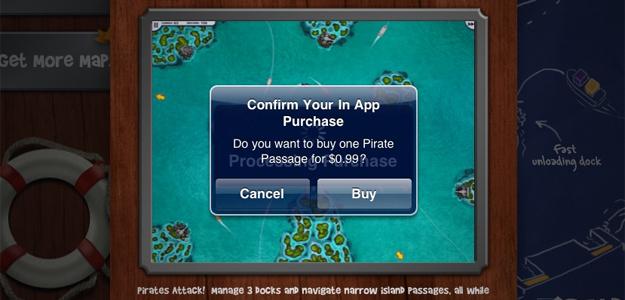
It's only a dollar... c'mon... buy it... You know you want to.
This day and age, it's almost a given that EVERY new game that comes out will have one of these extra cost add-ons but is the product that the production company provides worth the extra cash?  How many extra hours of playable content is the player going to receive and is this all part of the game that could have (should have) made it into the final product when it was released?  When do gamers start saying, "No, I won't pay 30 dollars for a two hour campaign." (Looking at you, Metal Gear)

In a previous blog, I pointed out a player who commented that they were genuinely unhappy about the direction the gaming industry was headed.  His/her reasoning behind this was that production companies // development teams of a video game have in mind at the start a way to make "extra" money.  The way they do this is by setting up DLC, or in lesser cases micro-transactions, that will keep the player dipping into their pockets to see the "rest of the game".   Tin foil hat theory aside, their discomfort with paying extra for a product is understandable and is a shared feeling in the gaming community (myself included).

Do you feel this way about DLC purchases?


But where is the line drawn by a player?  What DLC out there is a "justifiable" purchase and what exactly makes it that way? This is generally determined by the genre of the game, the type of content you're going to receive and how much gratification you will get for the purchase.   Typically speaking, a developer will announce what will come with the price tag attached to the DLC, but a player still has no real clue what they are going to receive if they purchase it early in the form of "Season DLC Passes".  The player might also pick up the DLC package after their first impressions and general excitement to see what the developer has kept up its sleeve to show later on.

Oh Elizabeth...
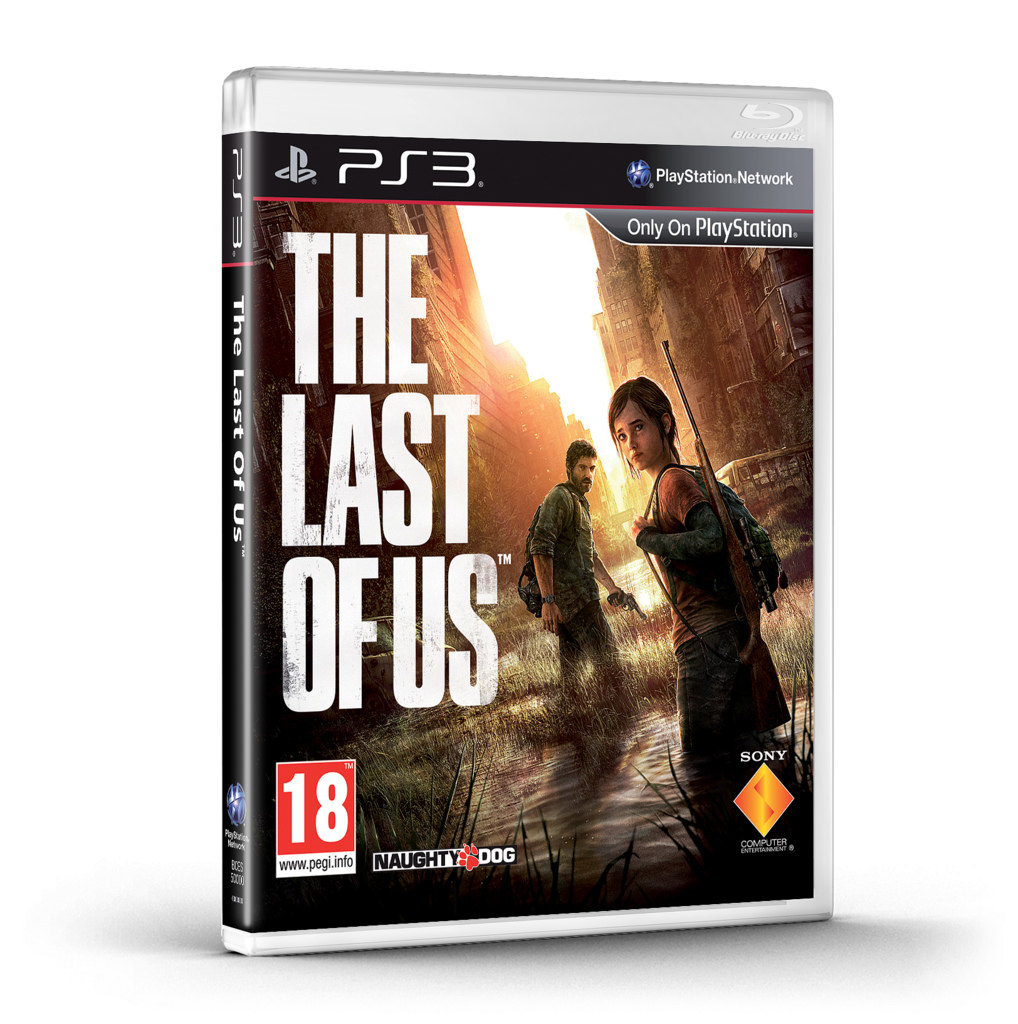
As a person who rarely buys into DLC, I found myself immediately grabbing the Bioshock Infinite season pass within hours of starting the game. Why did I do this? Simple.  The story was compelling enough to warrant the purchase of seeing more of that story content. (It was announced that there would be playable episodes in the season DLC pass).  The same thing happened with The Last of Us, however I only picked up the story content and not the multi-player DLC map packs/game mode.  Was the 5 hour side story worth the 15 dollar purchase to see more story of TLoU?  Absolutely.  Did I agree with the price? Not necessarily, but since I loved the game so much I felt that I needed to see "untold" story and paid for it.

But what price would've been fair and was I the type of customer that Naughty Dog was aiming that price tag at? The person that loved the game THAT much that they would spend 15 dollars to see more of it? That's where gamers start to feel the disconnect (or distaste/discomfort) between the developer and themselves and start to wonder if they really needed to buy that DLC instead of just watching it on Youtube.

One set of DLC that is most popular (and somewhat disliked about its price) in games is multi-player map pack season passes found primarily for first person shooters.  Both Call of Duty and Battlefield charge 40 dollars for multiple sets of new DLC maps to do battle on which come out every few months.

"Back in my day" moment:  When Counter Strike first hit the FPS scene of the PC, the mod took off among the gaming community so quickly that players themselves started to create their own maps to play on to freshen up the map cycle.  When you joined a new server, you sometimes had to download the maps that were currently running there and it was all for free.  When the map downloads were complete, they were yours for life... or for however long that particular server stayed up and running.

So later on when FPS's started to explode in popularity and developers started to hear the demands for more death match and capture the flag maps to be created, a light bulb must have went off and shined dollar signs.  Players would pay for new maps as long as they were well designed! Go figure.

Myself?  I was disgusted by what developers were doing. I remember being genuinely excited about playing on a map that someone took the time to develop themselves and now that was replaced by a developer looking to make some extra cash.  To me, map packs aren't something that people should pay 40 dollars for but to a hardcore FPS gamer it might be, I don't know.  At the end of the day, you're paying 100 dollars (or more if you ended up getting a collectors edition) for the game.  Is that cost too high just for 16 extra maps to play on when the developer could've just released the game with more multi-player maps from the beginning?  I guess that depends on the person.

In the case of Micro-transactions, most gamers feel that developers are just putting price tags on cheat codes.  If you think about it, a gamer is offered the opportunity to buy certain items or boosts that used to be able to be attained by pressing a series of controller buttons. The infamous "Contra Code" gave you 30 lives but in today's day and age, you can purchase that for a buck through a menu on the "extras" screen.  Gamers are extremely testy and vocal about anything being purchased to give someone an unfair advantage to those that have to play the game "normally".

The Contra, or Konami, code:  The Jesus of Video Game Codes.
When it comes to MMO's // MOBA's, Micro-transactions are often called Pay to Win items because that's exactly what happens.  A player can purchase as many power ups as they can afford in order to give them a major advantage over everyone else.  (Kind of like the Yankees do in baseball...  only you do actually win.  ZING)  Is this a developer crossing a line or morality? I'd say so... But as long as people keep giving the developers money for the advantages and perks, they will never go away.
  
Just remember:  It's your money.  You decide if you want to support the developer and if you feel that you're being taken advantage of, you don't have to give them anything.  If developers start seeing trends that players are refusing to pay 15 dollars for 5 hour campaigns, it just might force them to lower the price to 10 dollars.



Tuesday, March 25, 2014

When do you put down the controller?


   When you're a gamer growing up it's pretty hard to come to the rationalization that you have to put the controller down eventually.  How do you know when it's that time though?  Is there some magical moment when you just realize, "Hey man.  It's been real," and drop the controller like it was a microphone after blowing up someones spot?  I don't think so.   I do believe that there are some signs for gamer's to recognize and come to the reality that they really need to step away from the controller.  

Don't neglect giving your woman some attention, give her the other
controller
.
I'm an avid comments reader of various video game sites and while lurking through one particular article I noticed someone blatantly not happy with the way the video game industry has become.   They went on and on about everything being terrible and nothing being "the way it used to be". As I was reading it, I couldn't help think of the age ole saying:  "Back in my day we used to climb up 8 bit hills with three lives, limited inventory space in our backpacks while being chased by fire breathing, flying turtles..." Okay so maybe I changed that up a bit, but you get the point.

I would imagine that this person was probably my age (in their 30's) because my generation went through the real evolution of the video game industry.  We grew up with the massive changes that came with technologies huge breakthroughs in the video game scene.  We were the front lines of the newer gaming generations in our teens and college years as computers became an everyday household item along side our consoles.  We saw the huge graphics changes, the Cartridge to CD to DVD to BluRay change over and a brand new set of console wars.  (Nintendo vs Sega to Playstation vs Xbox) My generation has definitely been through the trenches when it came to being apart of the evolution of gaming and that's why I firmly believe this is where the bitterness and resentment stemmed from for this specific individual.

Over-critical thinking aside, he/she did have some valid points about how the "scene" is more about publishers milking a customer dry through the likes of micro transactions and DLC's. The overall tone of their rant though was just pure negativity about everything and anything video game related.  They gave off a vibe like they were ready to break up but just can't pull the trigger.  Was he/she just a typical hipster gamer remembering a better time of rainbows and princesses and needed to vent  his frustrations of this "new trend" being an abomination to what was cool back in the day?


Possibly.  This person, however, was attacking games that are well loved for being exceptionally different and have had a major impact on the gaming industry. (They weren't trolling either.)  They spoke about Telltales - The Walking Dead and The Last of Us being "too publicly accepted" because major gaming sites gave inflated scores and wrote up completely inaccurate reviews.   Basically, they claimed that the editors/gaming websites were in the pockets of Naughty Dog (Playstation) and Telltale and were told to blow the trumpets of all that is amazing and holy about the games to sell them.

Now.  I've played both games and both were amazingly well written and paced.  As I previously wrote in an earlier blog about The Last of Us, the story was the major selling point of the game.  It will force other video game production companies to look at the incredible emotion that forced the player to feel during the story and challenge them to recreate what Naughty Dog was able to do.  Telltale was able to provide the same kind of incredible emotion into a three hour game for nearly every "episode" that it has produced in The Walking Dead series.  You feel for Clementine/Lee in season one throughout their adventure in Zombie filled Georgia and continue that journey with Clementine in Season 2 hoping (praying) nothing else horrible happens to that little girl (but in the back of your mind trying to accept that something will.)

When you are so angry // bored // not interested in something exceptionally created and well put together in a video game, it's definitely time to put the controller down and find a new hobby.  Hobbies are supposed to be a release from stress and bring you a sense of happiness, not anger about something completely out of your control.

Another sign it may be time to put the controller down is a fairly obvious one:

Putting the controller down:  On the baby? No.
When you have a child (or a family in general), your priorities obviously change.  At least they should.  It's one thing to have a girlfriend/boyfriend and neglect snuggle time to beat a boss finally (though I hope you have a comfortable couch), it's a completely opposite and terrible thing to neglect the child that you chose to create. When the kid is old enough to pick up a controller, that's when you can probably start integrating "watching" them by playing something fun... but until then.  Baby comes first. 

Game, Set, Match: Baby.
Now I'm not saying that you should give up gaming altogether when you have a baby, but I'm sure many gamer parents can agree that your " video game play time" severely diminishes.  On the flip side, you have a new thing to play with and corrupt that is way more fun than anything on a television/computer screen would ever be able to provide.  (Though with the way technology is going.................   I'm kidding. There is no substitute.)

One last sign that I think it's time to put the controller down is when it starts to interfere with your work//school.  This one is something I've personally dealt with and I'm sure many other gamer's who are reading this (If any at all are reading it, HI MOM!) know all too well.  If you're staying up a few nights a week to try and complete a game it's okay if you've already completed what you needed to get done in real life.  However, when you're staying up and have a ten page term paper to write or a 9 am deadline on that Power Point presentation for your boss.... Just slap yourself in the face.   The digital world will always be there to satisfy your zombie killing, first person shooting, RPG'ing and Minecrafting needs while the real world has no pause button. 

Live your life and game while you can but never forget to continue to enjoy both of them.  If you don't enjoy your hobby of video gaming anymore, put the controller down before it filters into your real life.  No one will think wrongly of you for doing so.

((except your guild, clan, online girlfriend and maybe the people who are playing on the server you host...... they'll get over it.  promise.))  

Thursday, March 6, 2014

Video Game Movies...

Movies and Video games:  Two different versions of entertainment but they just can't ever seem to work well when they're combined.

But why?

Why is it that two seemingly similar mediums cannot find a happy playground to frolic in?  Both are created for the entertainment of their customers.  Both are created to tell a story with a set of main characters and supporting cast that audiences will either fall in love with or despise.  In most cases, both have high production costs and a staff of 100's that work grueling hours to produce something for our entertainment. Both share similar genre fields:  Horror, Action/Adventure, Indie and Sports to name a few.  

So where does it fall apart? 

The Script:

Is it within the story, or subject material, that the two just can't find a happy transition? That is definitely part of it.  Think about it, most video games have ridiculous plots.  A plumber jumping through pipes to go to different parts of the world searching for a princess while breaking bricks with his fist and hopping on his enemies to kill them?  Don't get me wrong, everyone wants to be a hero who saves someone and destroys everything in his/her path to do so, but the story isn't exactly Oscar writing worthy.

It wasn't a blast... Or a thrill ride...

At least that is true with games of the late 80's / early 90's.

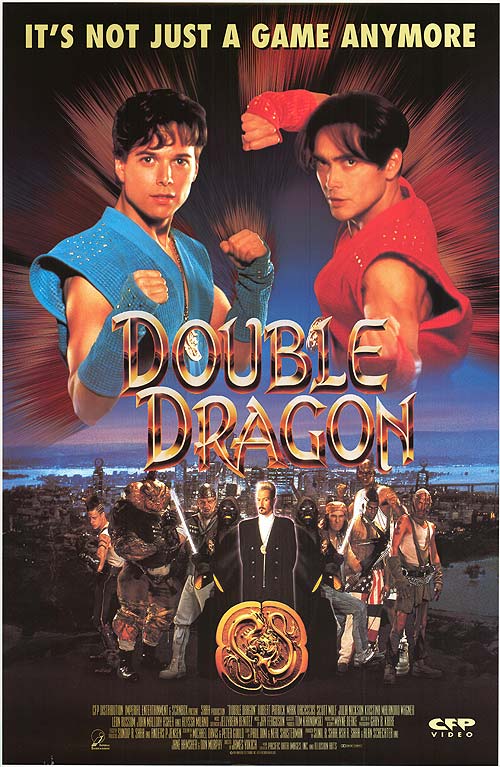
In recent years, video games have come a long way with story emphasis, making compelling drama driven games that fuels a players desire to see it through to the end.  Yet still there hasn't been a video game movie created that has fully encompassed the original source material/story and depicted it perfectly on screen.  Most adaptations are a complete joke and visually comical above all else. (Street Fighter, Super Mario Bros, Double Dragon)

 Good God this movie was horrific.

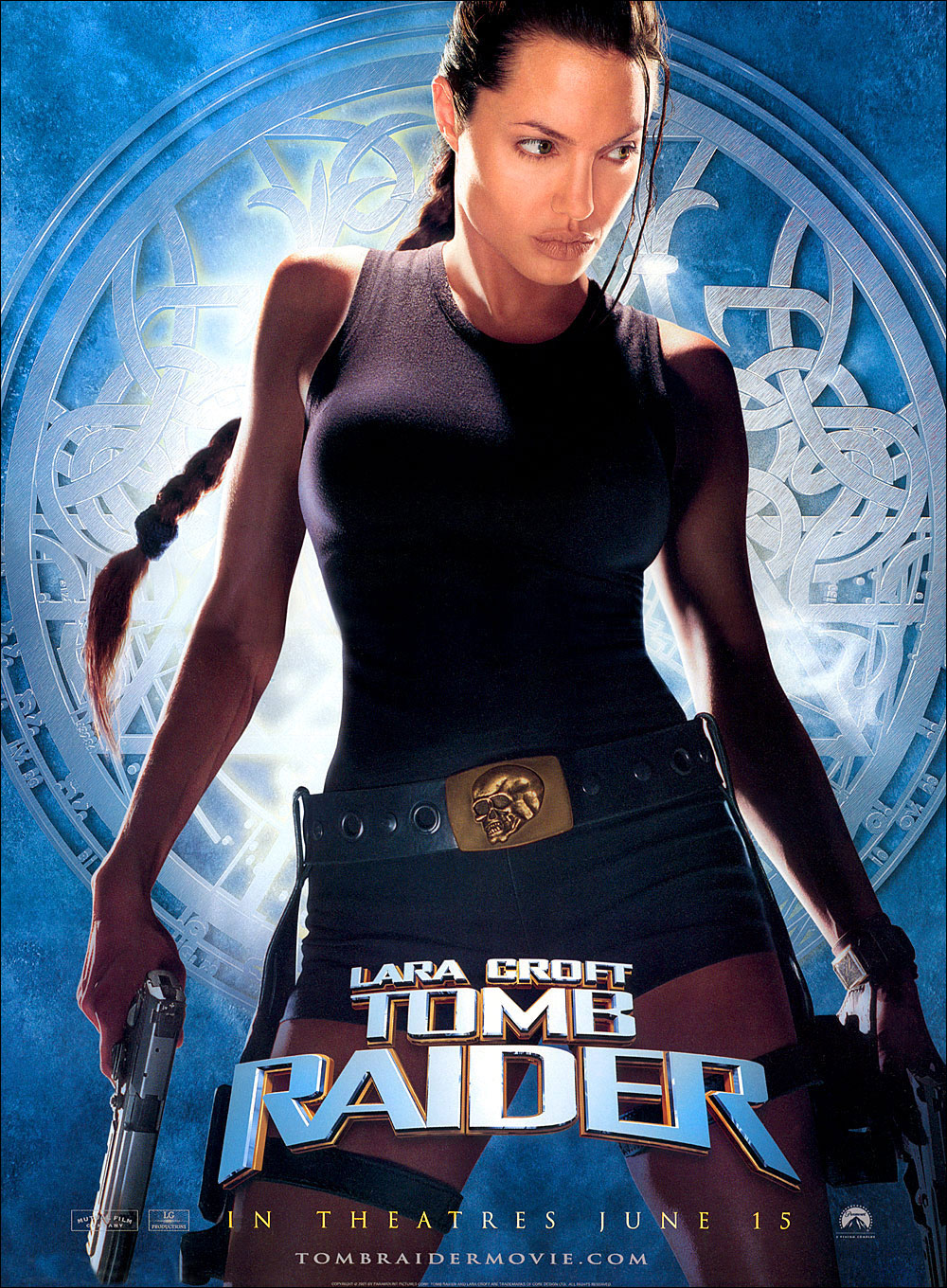
Hollywood has taken a more serious approach throwing big money at games like Tomb Raider and Prince of Persia hoping that visual effects /action (or a hot lead actress that fan-boys have lusted after since Hackers) would make up for a poor background/origin story but has been met with mediocrity. Though both made over 300 million world wide (and Prince of Persia arguably only hit that because of 3D revenue), each of the scripts weren't anything phenomenal.  There was just something missing and that something is the difference between a great movie that you always want to watch or one that just sits in your collection collecting dust.


The Length:

Maybe it's the length of films that cause a major issue in video game adaptations to cinema.  Movie run times are anywhere from 1.5 to 3 hours in length per feature film while most good games last anywhere from 8 to 16 hours.  Character build up and back-story is essentially non existent within movie adaptations to make the script work within its time restrictions.  Instead of the story having multiple dramatic/action set pieces over a long period of time, movie scripts are given one plot for a specific set of characters, a few action sequences and an eventual climactic scene at the end.  It all feels rushed. Literature adaptations to screen generally feel this way as well but there are far more greater "book movies" than there are "video game movies".

As gamers, do we feel more absorbed in the subject matter that we're watching transpire in front of us because of the length of time we're putting into the game? Or perhaps it's because of the fact that we're actively participating in the game itself for that amount of time.  Do we feel more connected to the game then we do with the movie because we're actually driving the story forward?  Sure, but is that a reason for a movie version of what we're playing to be so out of touch with the subject matter at hand? No and that is a shame.

The "Taken Seriously":

Lets face it, movie versions of video games have been terrible to mediocre.  Scripts are often rushed and rarely thought through, character development is a hind sight and the actors/actresses picked to play the roles of the main characters we've come to know and love are B list material. (There are exceptions to this of course)  Movie studios get this notion that fans of a certain video game want to see a live action version of something that they love and adore because we ask for it repeatedly.  However, they don't take it seriously because it's based on a video game that is more often than not considered to be "childish" hobby.  Despite the gigantic leap forward that the gaming community has made with more serious tones of its subject matter, most adults still believe video games are a "kid" thing.   When films are made based off video games, they are are targeted more towards the younger audiences instead of focusing more on an older age bracket.

Games that are created today deal with heavy morality choices and consequences forcing a player to self reflect on their decisions and what played out in front of them.  This is no "childish" hobby by any means anymore and Hollywood needs to treat the idea behind the video game with a lot more respect.  Dark underlying tones, character conflict and harsh realities within fantasy worlds should be depicted with the same solid screenplay writing that you'd see in major movie productions.   The target audience that the screenplay appeals to should be broadened to a wider, more mature variety of people, not just the video game player who asked for a film adaptation of the game.

Lets hope that Hollywood starts to realize that this isn't a kids genre anymore.